
Top 5 Inflammatory Foods That Hurt Yoga Recovery and Why Eating Healthy Matters
A strong yoga practice does not end when you roll up the mat. Recovery happens in the hours after class, when your muscles repair, your nervous system settles, and your body replaces the fluid and energy you used. Food plays a big role in that process. Inflammation is not always bad. Short-term inflammation helps the body heal after stress, effort, or injury. The problem is chronic low-grade inflammation, which can build when sleep, stress, movement, and diet are out of balance. Over time,...
A strong yoga practice does not end when you roll up the mat. Recovery happens in the hours after class, when your muscles repair, your nervous system settles, and your body replaces the fluid and energy you used. Food plays a big role in that process.
Inflammation is not always bad. Short-term inflammation helps the body heal after stress, effort, or injury. The problem is chronic low-grade inflammation, which can build when sleep, stress, movement, and diet are out of balance. Over time, certain foods can make that background inflammation worse, especially when they show up often and crowd out more nourishing choices.
For yoga recovery, that can mean more stiffness, slower muscle repair, poor sleep, unstable energy, and a harder time feeling good in your body between practices.

This guide covers the top five inflammatory foods to limit if you want better recovery, steadier energy, and a yoga practice that feels sustainable.
This article is for general education only and is not medical advice. Anyone with a health condition, eating disorder history, or specific nutrition needs should work with a qualified health professional.
How inflammatory foods affect yoga recovery
Yoga can look gentle from the outside, but the body still works hard. A strong vinyasa class, deep mobility session, heated class, or long hold in a challenging pose can tax muscles, joints, connective tissue, and the nervous system.
After practice, the body needs support. That includes:
Protein for muscle repair
Carbohydrates to refill energy stores
Healthy fats for hormone and cell health
Fluids and minerals for hydration
Antioxidants from colorful plants
Sleep and rest for deeper recovery
Inflammatory eating patterns often do the opposite. They may spike blood sugar, increase oxidative stress, disturb digestion, affect sleep, or add excess sodium and low-quality fats. One meal will not ruin progress. The issue is frequency.
If the same foods show up daily, recovery may start to feel harder than it needs to be.
Signs that food choices may be affecting recovery include:
Feeling unusually sore after moderate practice
Heavy fatigue after class
Stiffness that lingers for days
Poor sleep after evening eating or drinking
Digestive discomfort during twists, folds, or inversions
Cravings and energy crashes between meals
Food is not the only factor, but it is one of the most adjustable.
The top five inflammatory foods to limit
These foods are ranked by how common they are in a typical U.S. diet and how often they replace foods that support recovery. The goal is not fear or perfection. The goal is to notice patterns and make better swaps most of the time.
1. Sugary drinks and added sugar
Sugary drinks are one of the easiest ways to take in a lot of added sugar quickly. Soda, sweet tea, energy drinks, sweet coffee drinks, sports drinks, and fruit-flavored beverages can all add up fast.
Added sugar can contribute to inflammation when eaten often, especially in diets that are low in fiber, protein, and whole foods. It can also create a blood sugar spike followed by a crash, which is not ideal after yoga.
After practice, the body needs steady fuel. A large hit of sugar without fiber or protein may leave you feeling wired, tired, or hungry again soon after.
How it can hurt yoga recovery
Sugary drinks and desserts may affect recovery by:
Creating energy swings that make the rest of the day feel harder
Crowding out water, electrolytes, and nutrient-dense foods
Making it easier to overconsume calories without feeling satisfied
Supporting cravings that repeat the cycle the next day
This matters if you practice in the morning and then depend on a sweet coffee drink as breakfast, or if you leave an evening class and reach for dessert instead of a balanced meal.
Better swaps
Try these instead:
Water with lemon, cucumber, mint, or berries
Unsweetened green tea or herbal tea
Plain Greek yogurt with berries
Oatmeal with cinnamon and chopped nuts
A smoothie with fruit, spinach, protein, and unsweetened milk
If you want something sweet, pair it with protein or fiber. Fruit with nut butter is more recovery-friendly than candy or soda because it gives the body more than sugar alone.
2. Refined carbohydrates
Refined carbohydrates include white bread, pastries, many crackers, sugary cereals, donuts, white pasta, and many packaged snack foods. These foods are often low in fiber and easy to overeat.
Carbohydrates are not bad. In fact, they help refill energy stores after exercise. The type matters. Whole-food carbohydrates like oats, brown rice, beans, lentils, potatoes, fruit, and whole-grain bread bring fiber, minerals, and slower-digesting energy.
Refined carbs often digest quickly and may lead to blood sugar swings. For yoga recovery, that can mean lower energy, more cravings, and less stable mood.

How it can hurt yoga recovery
Refined carbs may get in the way by:
Giving quick energy but poor staying power
Replacing higher-fiber foods that support gut health
Increasing cravings after class
Making the body feel sluggish before the next practice
That sluggish feeling is not always from yoga itself. Sometimes it comes from eating foods that do not give the body enough useful nutrition to rebuild.
Better swaps
Use a simple upgrade approach:
Instead ofTrySugary cerealOats with berries and walnutsWhite toast aloneWhole-grain toast with eggs or avocadoPastry after classBanana with peanut butterWhite pastaLentil pasta or whole-grain pastaSnack crackersHummus with vegetables or whole-grain pita
The best swap is one that still feels satisfying. If food feels like punishment, the change usually does not last.
3. Fried foods and trans fats
Fried foods like fries, fried chicken, mozzarella sticks, chips, and many fast-food items can be hard on recovery when they become a regular habit. They often contain refined carbs, excess sodium, and oils that are repeatedly heated.
Artificial trans fats have been reduced in the U.S. food supply, but some processed foods may still contain small amounts through partially hydrogenated oils or certain manufacturing processes. Trans fats are strongly linked with poor heart health and inflammation concerns.
Even without trans fats, many fried foods do not offer much recovery value. They are energy-dense, low in micronutrients, and may leave the body feeling heavy.
How it can hurt yoga recovery
Fried foods can interfere with recovery in a few ways:
They may slow digestion and make movement feel uncomfortable
High sodium can affect fluid balance, especially after sweaty classes
They often replace foods rich in antioxidants and minerals
Heavy meals can affect sleep when eaten late
This can be especially noticeable after hot yoga or power yoga, where hydration and mineral balance matter more.
Better swaps
Try cooking methods that create flavor without deep frying:
Roasted sweet potato wedges
Air-fried potatoes with olive oil and herbs
Baked salmon or tofu
Grilled chicken or tempeh
Sautéed vegetables with garlic and avocado oil
Chickpeas roasted until crisp
A recovery meal does not need to be bland. Seasoning with herbs, spices, citrus, garlic, ginger, and vinegar can make healthy food taste bright and satisfying.
4. Processed meats
Processed meats include bacon, sausage, hot dogs, pepperoni, salami, deli meats, and many packaged meat snacks. They often contain high amounts of sodium and preservatives. Some are also high in saturated fat.
Research has linked high intake of processed meats with several health concerns. For inflammation, the problem is usually not one slice of bacon at brunch. It is the pattern of eating processed meats often, especially in place of fresher protein sources.
Protein matters for yoga recovery. Muscles need amino acids to repair after strength-based poses, arm balances, long holds, and active flows. But the source of protein matters too.
How it can hurt yoga recovery
Processed meats may work against recovery by:
Adding a lot of sodium without much potassium or fiber
Replacing leaner proteins and plant proteins
Making meals heavier and less nutrient-dense
Contributing to an overall inflammatory eating pattern when eaten often
A breakfast sandwich with sausage once in a while is different from relying on processed meat every day.
Better swaps
Choose protein sources that support repair and come with more nutrition:
Eggs with vegetables
Greek yogurt or cottage cheese
Salmon, tuna, sardines, or trout
Chicken or turkey breast
Lentils, beans, tofu, tempeh, or edamame
Nuts and seeds added to meals
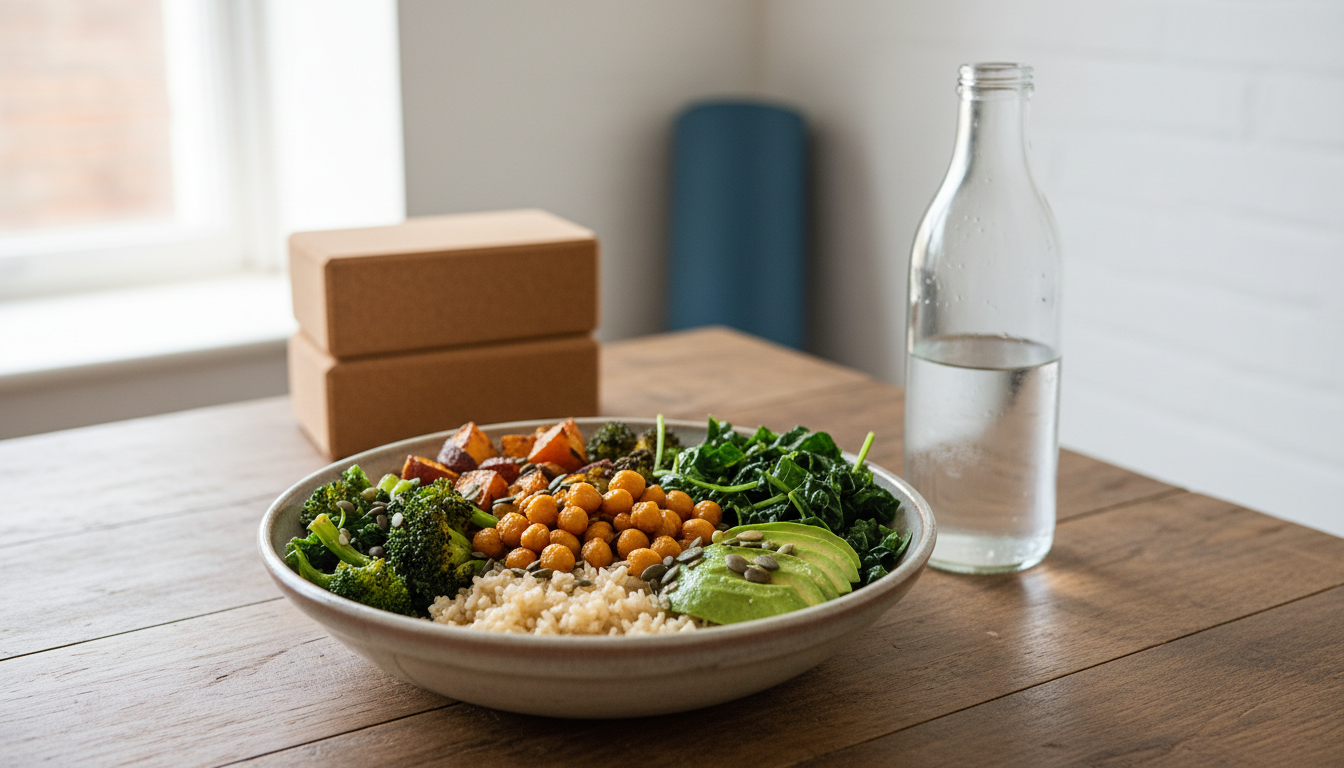
For a quick post-yoga plate, combine protein, fiber-rich carbs, colorful plants, and healthy fat. A simple example is eggs, avocado, sautéed spinach, and roasted potatoes.
5. Excess alcohol
Alcohol can be a recovery problem even when the food part of the diet looks healthy. It can affect sleep quality, hydration, muscle repair, and decision-making around food.
Many people notice this after an evening class. A glass or two may feel relaxing at first, but alcohol can reduce sleep quality later in the night. Since sleep is one of the body’s strongest recovery tools, this matters.
Alcohol can also increase inflammation in the body when consumed heavily or often. It may make soreness feel worse, especially when paired with poor sleep and dehydration.
How it can hurt yoga recovery
Alcohol may interfere with recovery by:
Reducing sleep quality
Increasing dehydration risk
Making late-night snacking more likely
Affecting muscle repair after physical effort
Raising next-day fatigue and stiffness
This does not mean everyone needs to avoid alcohol completely. It does mean recovery improves when alcohol is limited, especially after harder classes or during periods of stress.
Better swaps
Try a recovery-friendly evening ritual:
Sparkling water with lime and mint
Tart cherry juice mixed with sparkling water
Herbal tea
Warm milk or unsweetened non-dairy milk with cinnamon
Electrolyte water after sweaty classes
If alcohol is part of your life, consider saving it for rest days or having it with a balanced meal rather than right after practice.
What to eat instead for better yoga recovery
The best anti-inflammatory eating pattern is built around whole foods most of the time. It does not require expensive powders, strict detoxes, or complicated rules.
Focus on foods that give the body the materials it needs to repair.
Build a recovery plate
A balanced recovery plate can include:
Protein Eggs, fish, chicken, tofu, tempeh, beans, lentils, Greek yogurt, or cottage cheese
Fiber-rich carbohydrates Oats, quinoa, brown rice, potatoes, sweet potatoes, fruit, beans, or whole-grain bread
Colorful plants Leafy greens, berries, peppers, tomatoes, carrots, broccoli, cherries, citrus, or herbs
Healthy fats Avocado, olive oil, nuts, seeds, salmon, sardines, or nut butter
Fluids Water, herbal tea, electrolyte drinks when needed, or water-rich foods like oranges and cucumbers
This kind of meal helps restore energy, supports muscle repair, and gives the body antioxidants and minerals that help manage normal exercise stress.
Match food to the type of yoga
Different practices create different needs.
A gentle restorative session may only need a normal balanced meal afterward. A sweaty hot yoga class may call for more fluids and electrolytes. A strong vinyasa class may require more protein and carbohydrates.
Here are a few easy pairings:
Yoga practiceRecovery meal ideaMorning flowGreek yogurt with berries, oats, and chia seedsHot yogaRice bowl with salmon, vegetables, avocado, and water with electrolytesStrength-based vinyasaEggs, sweet potatoes, spinach, and fruitEvening slow flowLentil soup with whole-grain toastRestorative yogaHerbal tea and a balanced dinner with protein and vegetables
The goal is to leave practice feeling grounded, not depleted.
A realistic way to cut back without feeling restricted
Strict food rules can backfire. A better approach is to notice which inflammatory foods appear most often and replace one habit at a time.
Start with the food or drink that gives the lowest return. For many people, that is soda, sweet coffee drinks, late-night alcohol, or fried fast food after class.
Use this simple method:
Pick one food to reduce for two weeks.
Choose a replacement before cravings hit.
Keep protein and fiber in the meal.
Drink enough water.
Notice recovery, sleep, digestion, and energy.
Do not judge the process by weight alone. Better recovery may show up as less stiffness, steadier mood, deeper sleep, or a stronger practice later in the week.

Sources for learning more about inflammatory foods
These trusted resources can help you explore anti-inflammatory eating patterns and learn more about foods to limit:
Better recovery starts with the next meal
Yoga asks the body to move, stretch, stabilize, breathe, and recover. Food can either support that process or make it harder.
The top five inflammatory foods to limit are sugary drinks and added sugar, refined carbohydrates, fried foods and trans fats, processed meats, and excess alcohol. None of them need to create guilt. The real shift comes from eating them less often and replacing them with meals that give the body protein, fiber, color, healthy fats, and hydration.
A healthier diet will not make every pose easy. It will give the body a better chance to repair, adapt, and show up ready for the next practice.